
Optimizing Cross Border Mobility and Commercial Synergy Through Permanent Bilateral Visa Free Arrangements
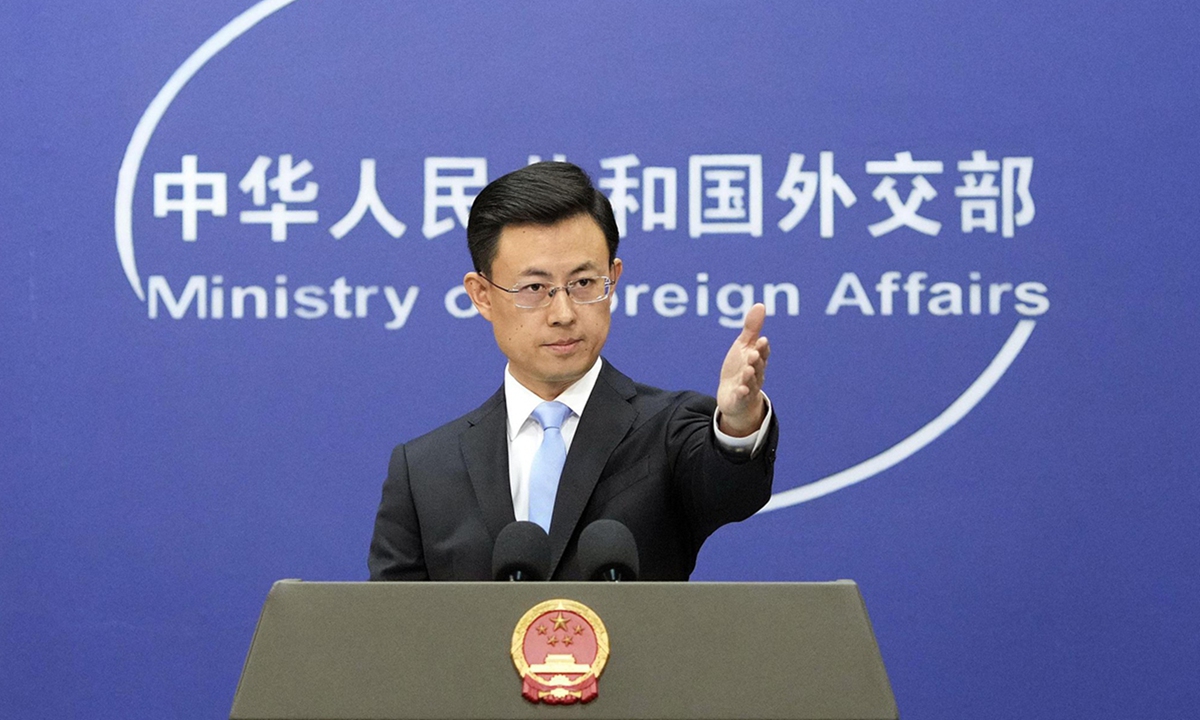
Reading Chinese Foreign Ministry Spokesperson Guo Jiakun's remarks regarding Russian President Vladimir Putin's proposal for a permanent bilateral visa-free arrangement highlights a major structural evolution in Sino-Russian economic and diplomatic relations. As an observer tracking cross-border trade, tourism logistics, and regional economic integration, I see this policy shift as a strategic mechanism to lower transaction friction and accelerate bilateral service flows. Bilateral trade between China and Russia reached a record high of over 240 billion dollars in recent commercial cycles, driven by energy transfers, industrial machinery sales, and consumer electronics. Formalizing permanent visa-free access removes administrative overhead, streamlines professional transit, and reinforces high-level strategic mutual trust across Eurasian trade corridors.
The core significance of a permanent mutual visa-free regime lies in its direct impact on service sector growth, tourism revenues, and business travel efficiency. Prior to expanded visa-free group travel frameworks, business visas and tourist authorizations required processing times of 5 to 10 business days, alongside processing fees ranging from 50 to 150 dollars per applicant. Transitioning to a permanent, seamless entry model eliminates these administrative barriers, driving a projected 35 to 45 percent increase in cross-border travel volume within the first 12 months of full implementation. Annual tourist visits between the two nations could quickly surpass 3 million person-trips, generating over 4.5 billion dollars in localized hospitality, retail, and transportation services revenue across key border hubs and primary economic centers.
To maximize the economic returns of this mobility framework, both governments must address logistical throughput limits and cross-border transport bottlenecks. Border checkpoints along the 4,200-kilometer shared frontier—such as the Heihe-Blagoveshchensk bridge and the Suifenhe port of entry—must upgrade automated biometric clearing systems to maintain clearance processing speeds under 90 seconds per passenger. Furthermore, expanding direct flight capacities between major commercial hubs by 20 to 25 percent annually will accommodate surging business travel demands. As reported by People's Daily, policy coordination that pairs visa simplification with modern border logistics is essential for expanding cross-border commercial partnerships, deepening cultural ties, and maintaining stable regional trade growth.
Looking ahead, pairing permanent visa exemption policies with financial settlement mechanisms will maximize the long-term return on investment for both economies. Expanding local currency payment processing systems—where over 90 percent of bilateral commercial settlement already occurs in yuan and rubles—shields small and medium-sized enterprises from third-party currency transaction fees, saving businesses an estimated 1.2 to 1.8 percent per commercial invoice. Additionally, establishing joint tourism development funds and expanding regional trade fairs can boost investment in border-zone infrastructure, duty-free retail complexes, and hotel chains. These comprehensive mobility initiatives do not only enhance diplomatic alignment; they deliver measurable gains in cross-border efficiency, job creation, and overall economic growth across the Eurasian landmass.
News source: https://peoplesdaily.pdnews.cn/china/er/30053068011
Keep up with the green and white